

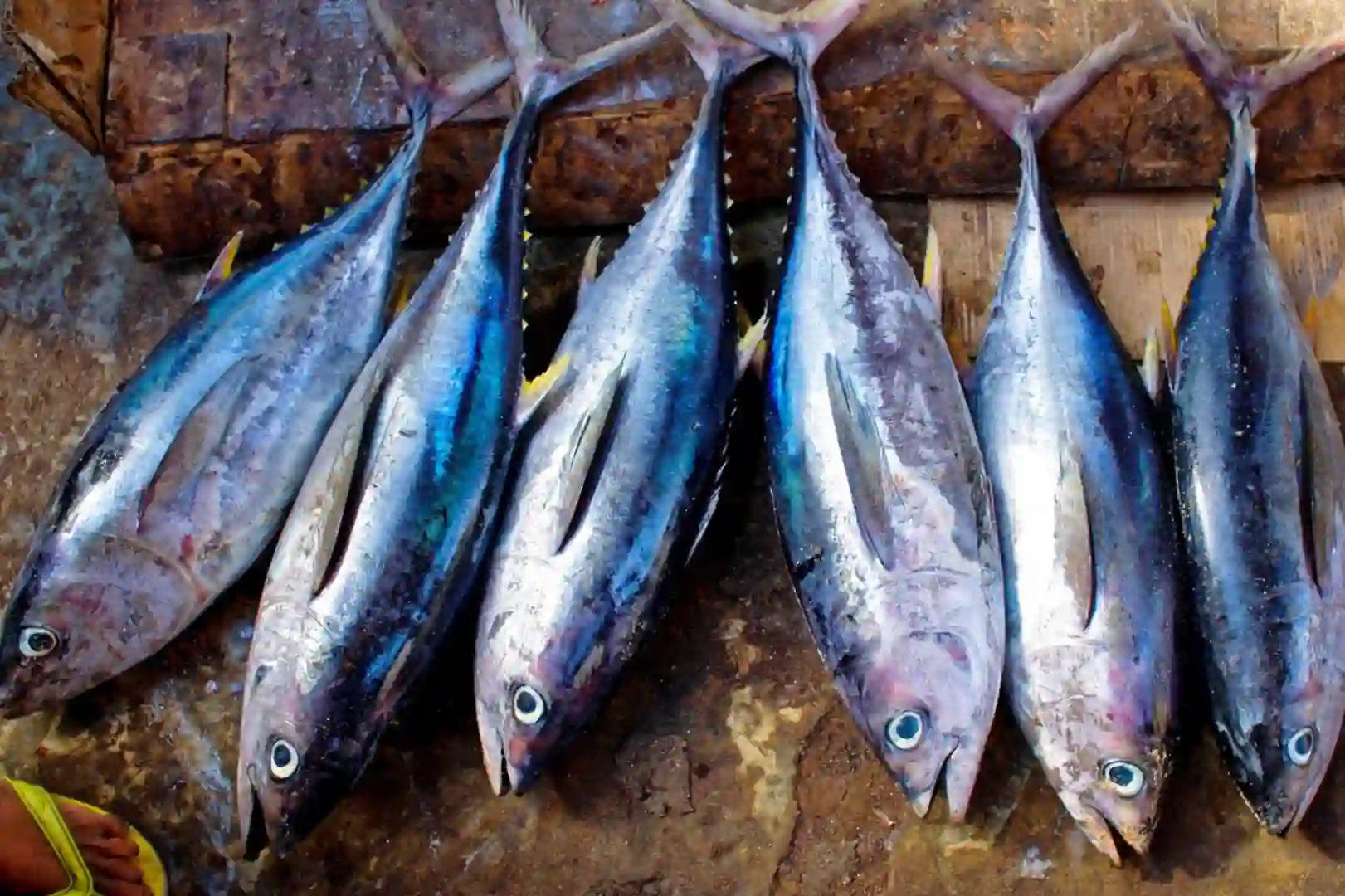
Indonesia is recognized as one of the world's top producers of tuna. Among its key hubs, the city of Bitung in North Sulawesi stands out as a vital center for the nation’s fishing industry. Surrounded by waters rich in marine resources and supported by the Bitung Ocean Fishing Port, this city serves as a gateway for tuna distribution across Indonesia and beyond.
However, for tuna to make its journey from the seas of Bitung to dinner tables around the world, it must go through a complex, precise, and temperature-controlled logistics process.
The tuna supply chain begins with fishermen casting their nets in the waters around the Maluku and Sulawesi Seas. Their catch is then delivered to the Bitung Ocean Fishing Port, which serves not only as a docking point but also as a hub for preliminary processing and cold storage.
At this stage, tuna undergoes sorting, cleaning, and initial freezing. How the fish is handled here plays a critical role in determining its market value. To meet international export standards, the port is equipped with cold storage facilities and quality tracking systems.
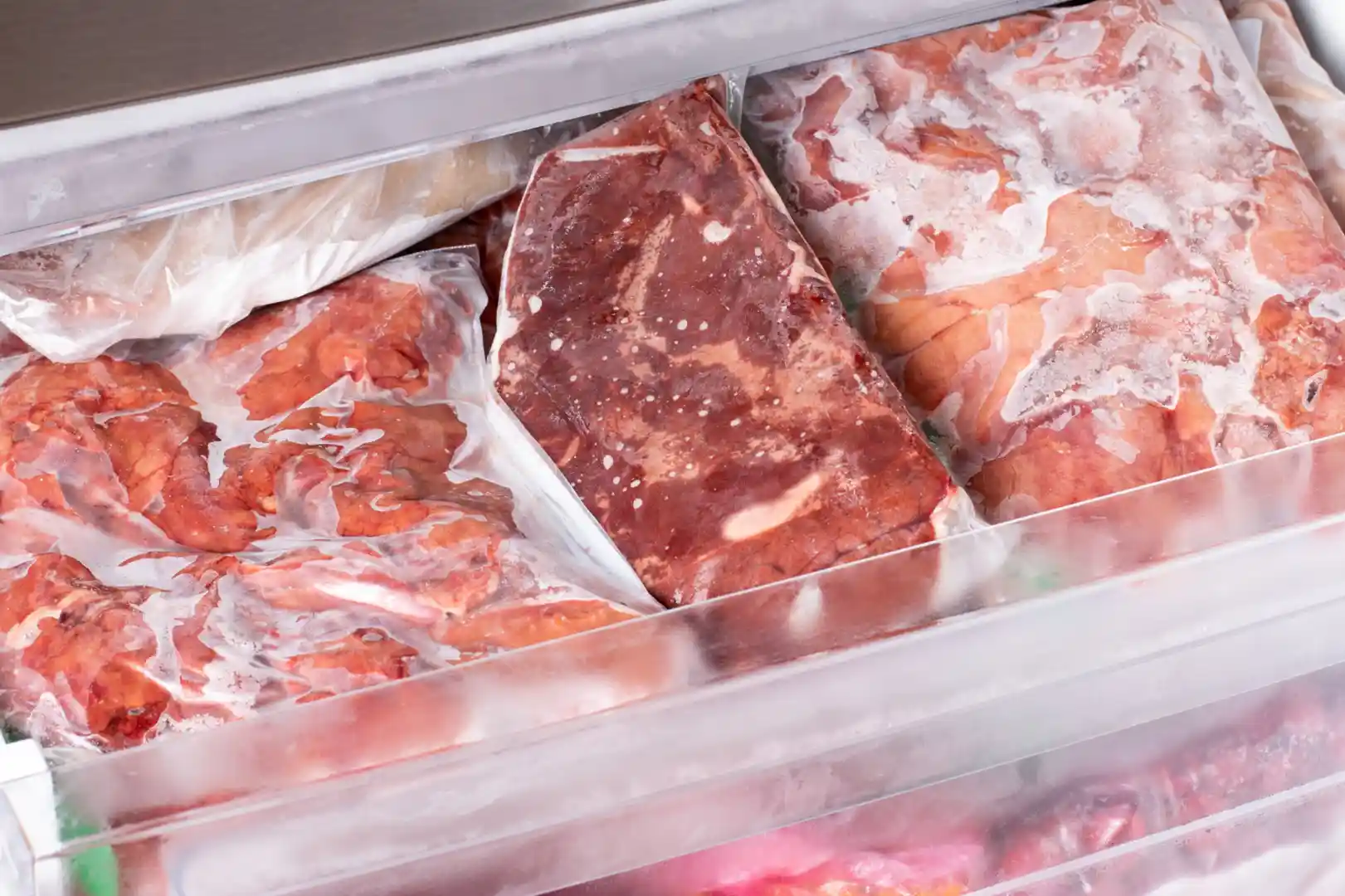
Following initial processing, the tuna is packed and transferred into refrigerated containers—reefer containers—to maintain optimal temperatures during both land and sea transport. This is where cold chain logistics becomes essential, linking each point in the supply chain without breaking the cold environment required to preserve product quality.
Cold chain logistics involves a series of refrigerated facilities and vehicles, from the port to the depot, onto the vessel, and through to the final delivery port. Any fluctuation in temperature or delay in the process can directly affect the product’s safety and quality.
As an integrated logistics and shipping company serving all corners of the Indonesian archipelago, PT SPIL (Salam Pacific Indonesia Lines) provides reliable reefer container solutions for transporting fishery products such as tuna—from Bitung to major domestic cities and international export hubs.
SPIL’s reefer containers are equipped with real-time temperature monitoring systems, ensuring that the cold chain remains intact throughout transit. These containers are distributed via SPIL’s inter-island shipping network, connecting strategic ports such as Surabaya, Jakarta, Makassar, and Tanjung Perak—ultimately linking up with international shipping partners.
Upon arrival at major ports, fishery products like tuna undergo quarantine inspections and export certification processes before being shipped to international markets such as Japan, the United States, and the European Union. Tuna from Bitung is known for its premium quality, thanks to a consistently maintained cold chain from sea to shore.
The distribution of tuna from Bitung is more than just a story of ships and containers—it’s a story of collaboration among fishermen, ports, logistics providers, and modern maritime networks. The presence of robust cold chain logistics and reefer containers from PT SPIL forms a crucial foundation in preserving the quality of Indonesia’s marine products—ensuring they arrive fresh and safe on the global stage.
From Indonesia’s seas, we don’t just ship products—we deliver quality, pride, and the taste of the archipelago.