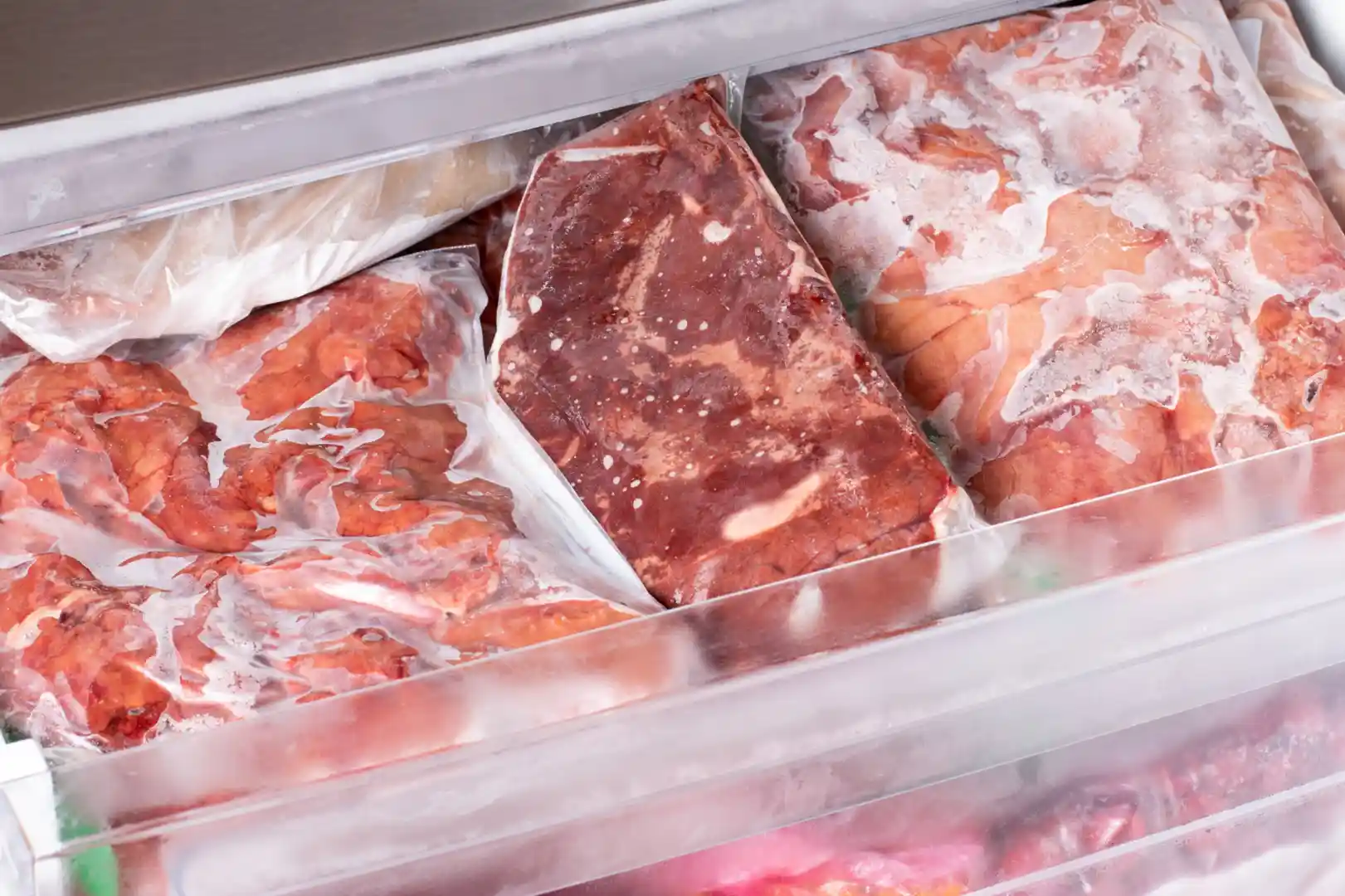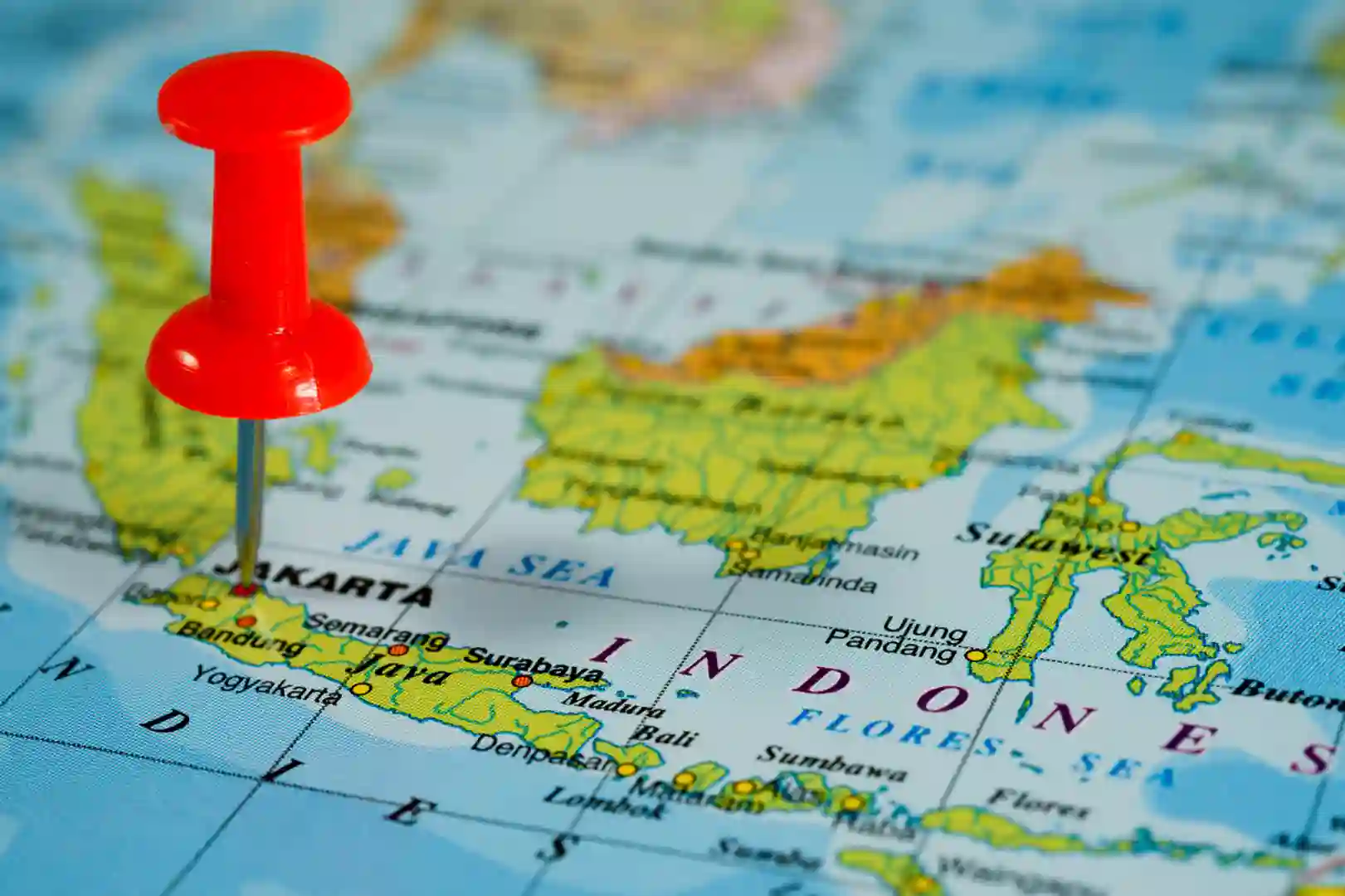



In today’s modern logistics landscape, the distribution of goods relies not only on speed but also on reliable temperature control. Sensitive commodities such as meat, seafood, and vaccines require special handling through cold chain logistics. In major metropolitan cities like Jakarta, Medan, and Denpasar—which serve as key economic hubs and port gateways in Indonesia—the demand for robust cold chain infrastructure is rapidly growing.
Jakarta, as the national logistics hub, is home to a variety of cold storage facilities integrated with major ports like Tanjung Priok. This integration facilitates the mass distribution of imported meat and seafood exports from Eastern Indonesia. The availability of large-scale cold storage facilities, especially those near ports, allows businesses to maintain the quality of perishable goods until they reach consumers.
Medan, serving as the trade gateway in the western region, plays a vital role in the distribution of vaccines and pharmaceutical products. With the support of Belawan Port and excellent connectivity to industrial zones, Medan’s cold chain logistics emphasize cross-docking, cold room transit, and swift deliveries to hospitals and distribution centers.
In Denpasar, Bali, the tourism industry drives the demand for cold logistics to preserve the freshness of seafood, dairy, and other premium food products—particularly for hotels, restaurants, and international culinary hubs. Connectivity via sea freight through Benoa Port is a crucial part of the supply chain for fresh food.
Cold chain distribution in these cities depends heavily on refrigerated transport—both reefer trucks for overland shipping and reefer containers for ocean freight. Reefer containers carried by cargo vessels are essential for maintaining optimal temperatures during long-haul deliveries, especially inter-island shipments or exports.
Real-time temperature monitoring technology is increasingly being adopted, allowing logistics providers to detect and respond swiftly to any temperature deviations that could jeopardize the quality of the cargo.
To meet these challenges, PT SPIL, a leading national shipping company, supports the cold chain ecosystem by providing reefer container services for transporting temperature-sensitive goods. This service enables businesses to ship products safely and efficiently between major cities like Jakarta, Medan, and Denpasar.
Key benefits of using PT SPIL’s reefer containers include:
With ongoing infrastructure improvements and dedicated logistics solutions such as those from PT SPIL, the future of sensitive commodity distribution in Indonesia looks increasingly promising—delivering efficiency, quality, and competitiveness for both domestic and international markets.