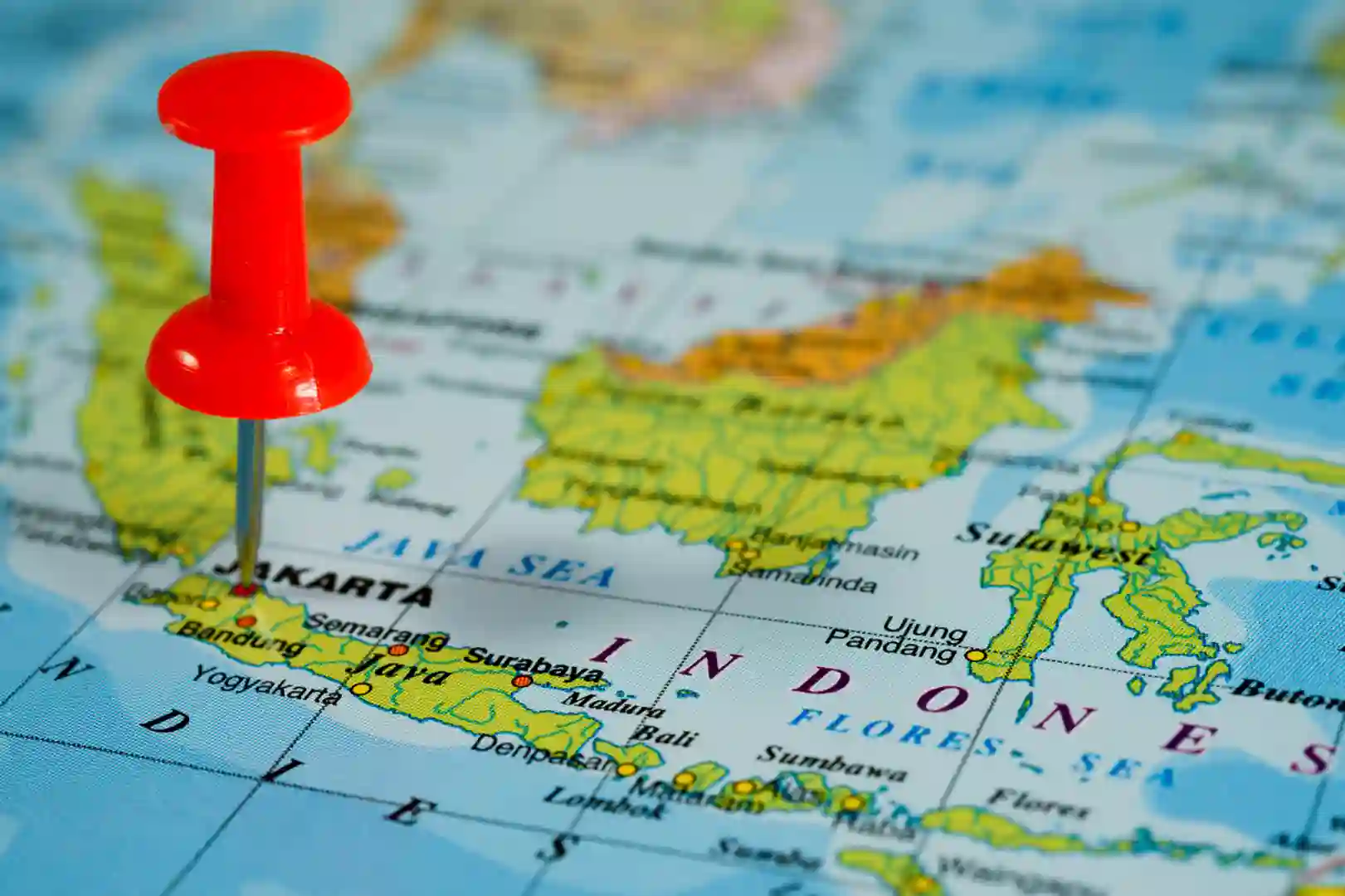


Indonesia is a country rich in natural resources. Among its top export commodities, two stand out: palm oil from Riau and coal from Kalimantan. While both contribute significantly to the national economy, they follow vastly different logistical pathways—demonstrating how the complexity of goods delivery is closely tied to the nature of the commodity and the geography of its origin.
Riau is one of Indonesia’s leading palm oil-producing provinces. The commodity is typically shipped in the form of crude palm oil (CPO) or its derivatives. It is first transported via land routes to key ports such as Dumai or Pelintung, before continuing via sea routes.
For inter-island distribution or export, ISO-standard containers are used to maintain the product’s quality during transportation. The main logistical challenge lies in maintaining temperature stability and ensuring timely delivery. Therefore, fleet efficiency and punctual scheduling are crucial in this sector.
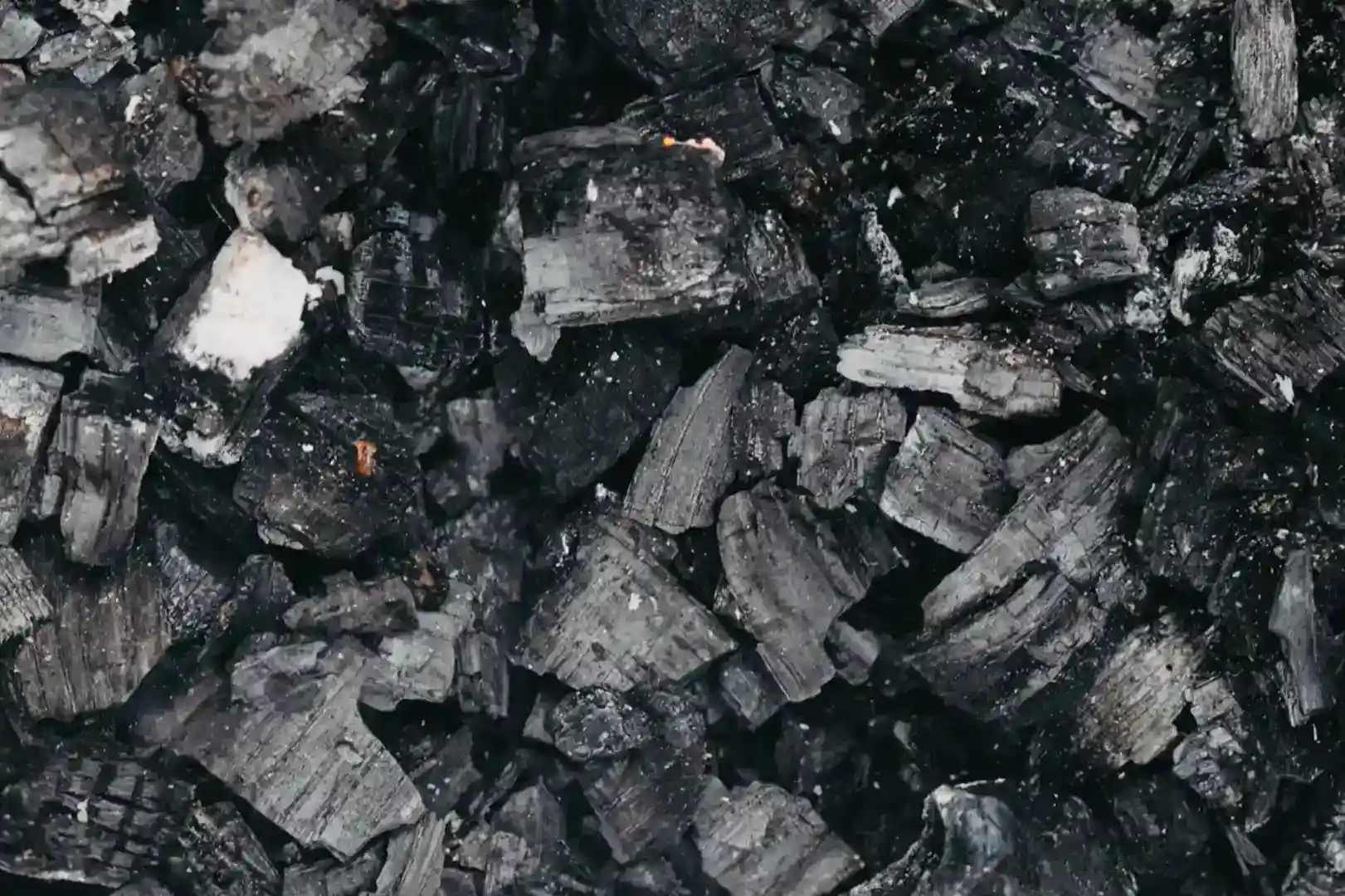
Coal from Kalimantan presents a very different logistical profile. With its high volume and heavy weight, coal transportation requires specialized handling. The material is typically collected at stockpile terminals near rivers or ports, then transported via barges to larger ships (mother vessels) stationed offshore.
Unlike palm oil, which fits neatly into standard containers, coal requires bulk containers or open-top containers capable of holding loose materials. The coal supply chain is further complicated by weather conditions, tidal patterns, and the availability of transport vessels.
The contrast between these two commodities highlights that logistics is more than just moving goods—it’s about managing time, choosing the right route, and selecting the appropriate transport method tailored to each product's characteristics. This is where integrated logistics providers play a vital role.
PT SPIL stands out as a national logistics provider capable of handling both palm oil and coal shipments with flexible container solutions. For palm oil, SPIL offers sealed, standardized containers to preserve product integrity. For coal, the company provides bulk and open-top containers designed to efficiently transport heavy, loose materials.
With a strong shipping network and technology-driven logistics systems, SPIL supports the movement of Indonesia’s strategic commodities from upstream to downstream—bridging producers and markets across the archipelago, from Riau to Kalimantan.