

In the midst of global trade dynamics and supply chain shifts post-pandemic, one big question emerges: Can Indonesia become Southeast Asia’s logistics hub? This is not merely an ambitious notion—it is a reflection of the country’s strategic position that has long remained underutilized.
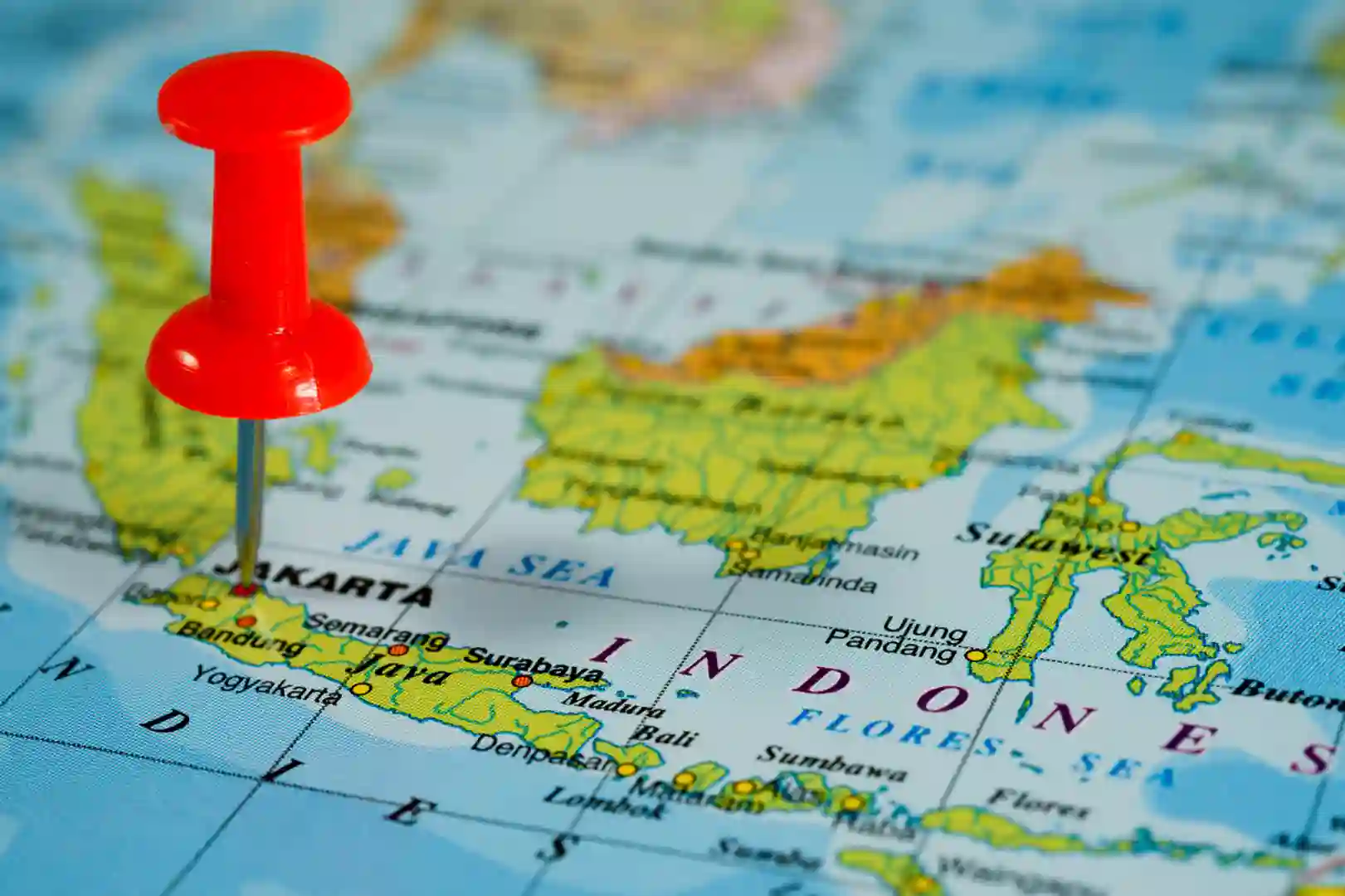
Geographically, Indonesia lies on the golden route of global maritime trade. Positioned between the Indian and Pacific Oceans, more than 40% of global sea trade passes through key straits such as Malacca, Sunda, and Lombok. This makes Indonesia a vital crossroads in international logistics—arguably closer to major transshipment routes than many of its neighbors.
Yet, for years, this potential has not been fully optimized. Singapore, Malaysia, and Thailand have long established themselves as regional logistics hubs, offering efficiency, advanced technology, and business-friendly regulatory systems. So where does Indonesia stand?
The Indonesian government has initiated several strategic infrastructure projects aimed at reducing high logistics costs, improving inter-island connectivity, and building an integrated logistics ecosystem:
Despite the vast potential and ongoing infrastructure efforts, Indonesia still faces fundamental challenges—layered regulations, complex permits, and coordination gaps among institutions. Without policy simplification and consistent execution, the dream of becoming a regional logistics hub could be stalled by its own bureaucratic hurdles.
However, if Indonesia can implement these strategies consistently and inclusively, its role as a logistics hub becomes not just a dream, but a national mission—realistic and vital.
As the nation works toward this mission, logistics players like PT SPIL (Salam Pacific Indonesia Lines) play a key role. With an extensive domestic shipping network covering the entire Indonesian archipelago, SPIL acts as a vital connector in the movement of goods across islands.
SPIL operates various types of containers to serve diverse commodities—ranging from dry containers, reefer (refrigerated) units, to open-top and flat rack containers for oversized or project cargo. Commodities such as food supplies, textiles, automotive parts, heavy equipment, and even e-commerce logistics are efficiently transported under SPIL’s operations.
SPIL’s services are also fully integrated with digital systems—from online booking platforms to real-time container tracking—reflecting Indonesia’s shift toward a more intelligent and tech-driven logistics industry.
Becoming Southeast Asia’s logistics hub is not beyond Indonesia’s reach. With its strategic location, ambitious infrastructure projects, and proactive private sector players like SPIL, the country is well-positioned to be a key player in the regional supply chain. What’s needed now is the courage to execute, to innovate, and to align a shared vision.
Indonesia is capable—not just because of its location, but because of its readiness.