

Technological transformation in the logistics industry continues to accelerate, particularly in the last-mile delivery segment—the final stage of delivering goods from distribution centers to consumers. Two innovations gaining global attention are delivery drones and autonomous vehicles. As demand grows for faster and more efficient shipping, these technologies are expected to play a significant role in the future of global logistics, including in Indonesia.
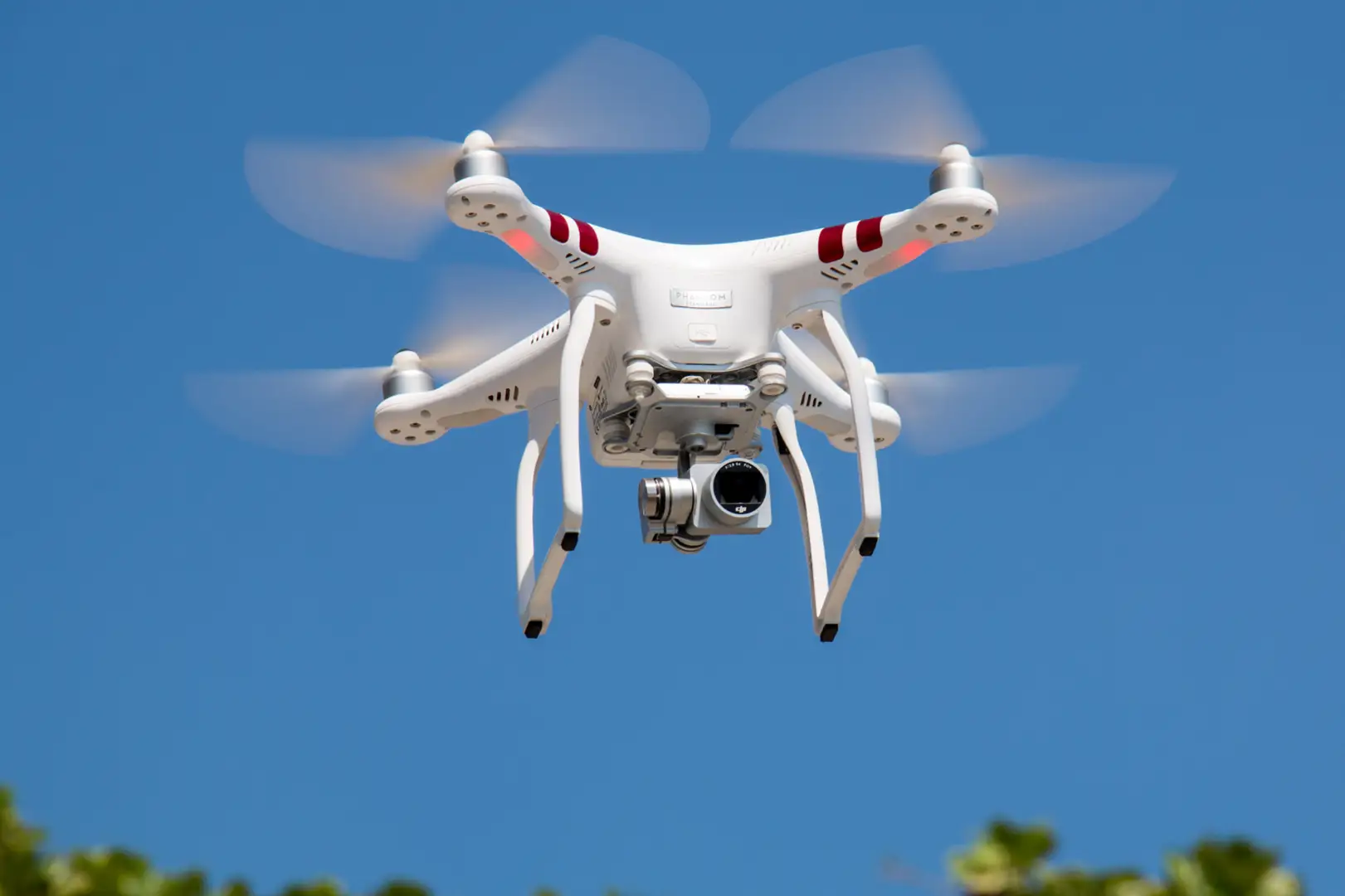
As the world's largest archipelagic nation with over 17,000 islands, Indonesia faces complex geographical challenges in goods distribution. Delivery drones hold immense potential for reaching remote areas that are difficult to access by land, especially in regions with limited infrastructure. For example, drones can significantly expedite the delivery of medical supplies or emergency logistics to rural areas.
Autonomous vehicles, on the other hand, could enhance delivery efficiency in urban areas. In major cities like Jakarta, Surabaya, and Bandung, driverless vehicles may reduce reliance on human labor, minimize human error, and accelerate delivery—especially in the face of traffic congestion.
Despite their promise, the adoption of these technologies in Indonesia faces several hurdles, particularly on the regulatory front. Commercial use of drones is still tightly regulated by the Ministry of Transportation and the Indonesian Air Force due to national airspace security concerns. Certification, designated flight corridors, and operational permits remain significant obstacles.
Autonomous vehicles also face legal barriers. Current traffic regulations do not yet accommodate driverless vehicles. Additionally, supporting infrastructure such as smart roads and vehicle-to-vehicle communication systems are not yet widely available.
Moreover, public acceptance of these technologies will require education and gradual implementation through controlled pilot programs.
As an integrated logistics company offering multimodal services—land, sea, and digital—PT Salam Pacific Indonesia Lines (SPIL) plays a crucial role as a central connector in Indonesia’s supply chain. With a fleet of inter-island cargo vessels and a land transport network supported by modern information systems, SPIL bridges distribution needs from major hubs to the closest point of delivery to consumers.
SPIL has embraced various digital initiatives to improve operational efficiency and transparency, including integrated tracking systems, app-based services, and real-time route management. These innovations lay a strong foundation for future integration of technologies such as delivery drones and autonomous vehicles, particularly in regions with appropriate regulatory and technical readiness.
With a commitment to innovation and a deep-rooted spirit of nationalism, SPIL continues to drive Indonesia’s logistics transformation toward a smarter, more sustainable, and inclusive future—paving the way for next-generation logistics solutions.